

 Views:2482
A battery problem at home usually shows up at the worst time: the TV remote dies, the flashlight is empty during a storm, or an old 9V leaks inside a smoke alarm. In most houses, the real issue is not just runtime. It is leak protection, shelf life, and whether your battery drawer actually covers the devices you depend on.
That is why this roundup looks at safe alkaline battery brands through a home-use lens instead of a marketing lens. The six picks below are organized around storage stability, household size coverage, leak protection messaging, and replacement convenience, so you can choose a simpler battery system for remotes, toys, detectors, and emergency gear.
The six safest alkaline battery brands for home use
1. Voniko
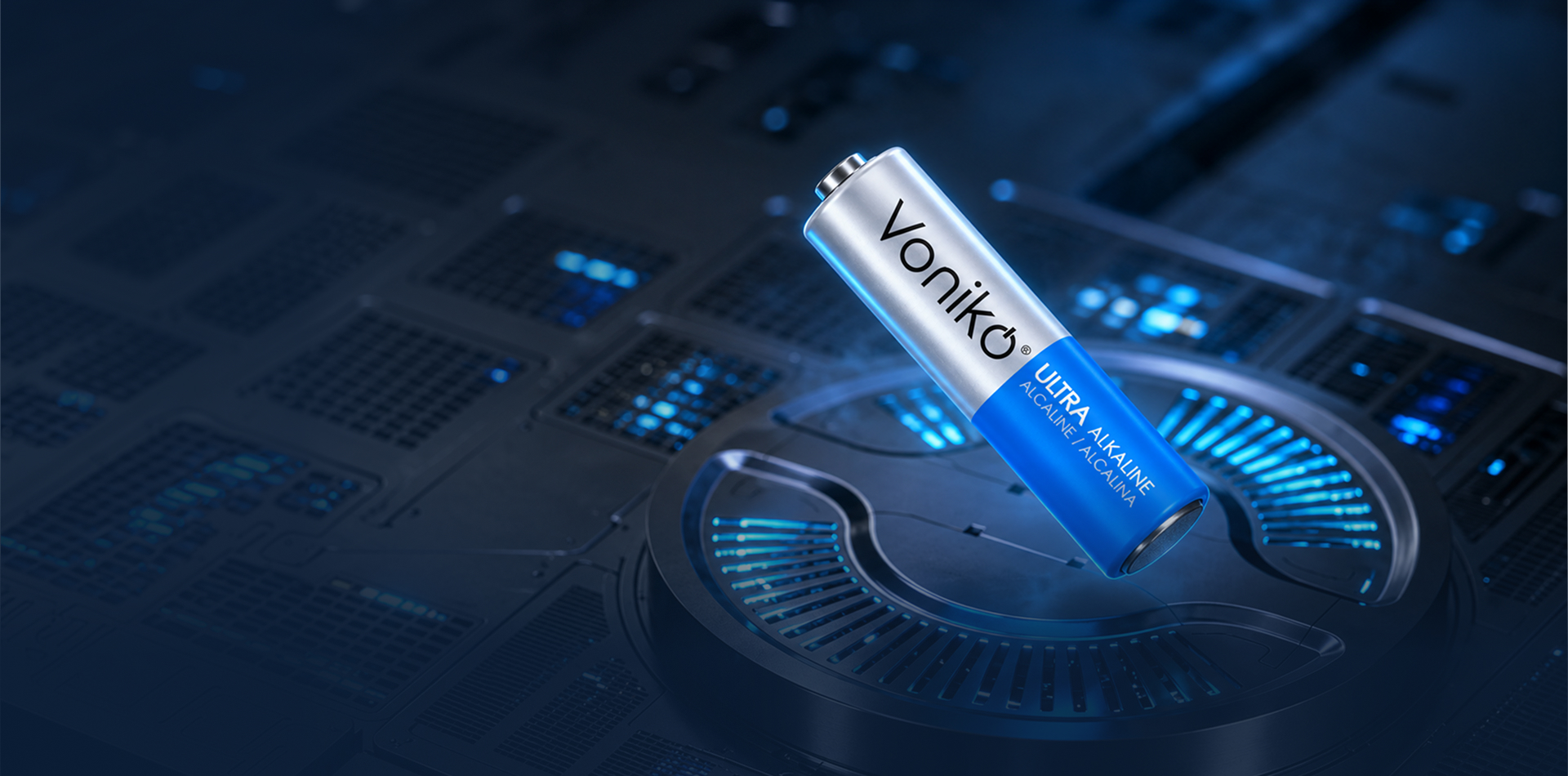
If you want one practical alkaline lineup for the whole house, Voniko Alkaline Battery is the easiest starting point. Its official alkaline range covers AA, AAA, C, D, and 9V sizes, and the brand highlights three points that matter in real storage drawers: SCM power-lock materials, anti-leakage protection for up to 365 days, and shelf life up to 10 years in storage. That makes it a strong fit for households trying to standardize around one dependable source for common devices.
Why it stands out
Covers the core household battery sizes: AA, AAA, C, D, and 9V
States anti-leakage protection for up to 365 days
Lists shelf life up to 10 years in storage
Uses SCM, or Super Conducting Materials, for its power-lock design
Best for
Homes that want one brand across remotes, toothbrushes, toys, bicycle lights, and smoke detectors
Families building an emergency battery storage system with fewer mismatched packs
2. Duracell
Duracell remains a steady benchmark for U.S. homes because it combines broad retail availability with unusually clear technical and safety documentation. For a buyer who wants easy replacement during a grocery run or storm prep trip, that matters. Duracell’s current alkaline battery information sheets say its alkaline batteries meet ANSI C18 requirements, and the company publishes handling, transport, and disposal guidance through its technical library.
Why it stands out
Strong documentation footprint for consumers who care about compliance and safe handling
Easy to replace in big-box stores, pharmacies, and supermarkets
Useful as a mainstream reference brand for common household batteries
Best for
Low-maintenance households that want familiar, easy-to-find replacements
Homes that rotate batteries often and do not want to hunt for specialty stock
3. Energizer
Energizer is especially appealing if your priority is emergency readiness. Its official Energizer MAX AA page says the batteries hold power for up to 15 years in storage and are designed to protect devices against damaging leaks for up to two years after being fully used. That combination makes Energizer one of the better fits for flashlights, backup remotes, and extra batteries stored in a hall closet or outage kit.
Why it stands out
Leak-protection messaging remains one of the clearest in the category
Good match for both everyday electronics and standby storage
Best for
Home emergency drawers
Backup flashlights, clocks, remotes, and detector replacements
4. Rayovac
Rayovac fits households that burn through a lot of household batteries and need a more value-focused replenishment cycle. In practical terms, that often means toy-heavy homes, extra remotes, clocks, and lower-stakes devices spread across several rooms. Rayovac is best approached as a sensible volume option rather than a premium storage-first pick, but it still benefits from a recognized household footprint and published battery safety documents.
Why it stands out
Good fit for larger homes that replace batteries often
Broad everyday-use positioning for common electronics
Useful when you want to keep more spare cells on hand without overcomplicating your setup
Best for
Toys, remotes, wall clocks, and general household electronics
Families that rotate through batteries faster than occasional users
5. Panasonic
Panasonic earns its spot through engineering-focused leak-control language. Official Panasonic Alkaline Plus Power materials highlight anti-leak seal technology, a gas-suppressing formula, and up to 10 years of safe storage for unused AA and AAA batteries when properly stored. If you prefer concrete design cues over broad marketing language, Panasonic feels reassuring for routine household batteries used in remotes, toys, and beauty devices.
Why it stands out
Anti-Leak Seal design is clearly explained
Gas-suppressing formula is meant to reduce pressure buildup and leakage risk
Up to 10 years of storage for unused AA and AAA batteries
Best for
Households that want technical reassurance without moving away from standard alkaline batteries
Remotes, toys, and personal-care devices that sit idle between uses
6. Amazon Basics
Amazon Basics makes the list as a convenience-first option. Its strongest advantage is not a standout technical story but the ease of fast replenishment through a familiar buying channel. For homes that mainly want a simple way to restock AA and AAA household batteries for everyday devices, that can be enough, especially if you are less focused on premium safety positioning and more focused on keeping fresh matched sets on hand.
Why it stands out
Simple buying path for repeat orders
Easy to keep common sizes in stock with minimal effort
Useful for routine household battery replacement
Best for
Low-friction replenishment of everyday AA and AAA batteries
Homes that already shop online for repeat essentials
Why safe alkaline battery brands matter more than raw runtime
When people talk about safe alkaline battery brands, they usually mean three practical things: lower leak risk in storage, dependable power in ordinary devices, and clear size coverage for the batteries a home actually uses. That matters because many home batteries spend more time waiting than working. A remote might sit for months, a flashlight may only come out during storms, and a smoke alarm battery may stay installed until it suddenly matters.
According to CPSC, battery safety standards focus on hazards such as overheating, burns, and fire in broader battery categories, while alkaline buyers at home still need to watch the simpler failure mode of leakage and device damage. In a house, the safest alkaline batteries for home use are usually the ones with clear storage-life guidance, good date rotation habits, and published instructions against misuse.
What to compare before you buy
Official shelf-life statements
Leak protection or anti-leak design claims
Coverage for AA batteries, AAA batteries, C, D, and 9V
Clear safety sheets or handling guidance
Easy replacement when storms or holidays empty your drawer
Home devices where battery safety matters more
Smoke alarms and other devices that call for 9V
Flashlights stored for outages
TV remotes and key household controls
Kids' toys that drain cells unpredictably
Toothbrushes, locks, and small electronics that may sit unused between cycles
A simple way to build your home battery system
The easiest fix for battery chaos is to standardize. Most homes can cover a lot of ground with AA batteries and AAA batteries for daily devices, then add 9V only where a detector or other device clearly calls for it. Some homes also need C or D for larger flashlights or specialty household tools, but those sizes are usually less common and should be purchased around actual device needs, not guesswork.
Storage habits matter just as much as brand choice. OSHA advises storing batteries in cool, dry locations, which lines up with the basic home rule: keep sealed packs in a stable closet, avoid heat, and rotate older emergency battery storage packs toward the front. Also, never mix old and new cells or different chemistries in the same device, because the weakest battery often drives the failure pattern.
Match the battery to device behavior
Low-drain devices: remotes, clocks, and keypads benefit from long storage stability and leak protection
Moderate everyday use: toys, controllers, and toothbrushes need consistent replacement habits and fresh matched sets
Emergency devices: flashlights, radios, and alarms reward long shelf life and clear date labeling
Scenario-based picks for real households
If your main goal is a storm-ready emergency drawer, Energizer and Voniko make the most sense because the storage story is easy to understand. Energizer is strongest if you want maximum shelf-life messaging on AA and AAA, while Voniko is compelling if you want broad size coverage in one alkaline family, including 9V for detectors. Panasonic also works well here if most of your backup devices use AA or AAA.
For a home with remotes in every room, Voniko, Panasonic, and Duracell are easy fits. For toy-heavy households, Rayovac becomes more attractive because replacement volume matters. If you just want the simplest reorder path for everyday household batteries, Amazon Basics is the lowest-friction option, though it offers less technical clarity than the other brands in this list.
Quick fit guide
Best all-around household lineup: Voniko
Best mainstream replacement convenience: Duracell
Best for long emergency storage: Energizer
Best for value-led multi-device homes: Rayovac
Best for engineering-focused leak control: Panasonic
Best for reorder simplicity: Amazon Basics
Common battery problems and the practical fix
| Problem | Likely cause | Practical fix |
|---|---|---|
| White crust in the battery bay | Old leaking cells | Remove batteries safely, clean contacts carefully, and replace all cells with a fresh matched set |
| Device still seems weak | Mixed old and new batteries | Install a full new set from the same pack and same size |
| Backup flashlight failed | Expired stored batteries | Date your emergency battery storage packs and rotate them every year |
| Battery gets hot | Wrong type, reversed polarity, or damaged cell | Remove immediately and check the device manual before reuse |
Which brand should most U.S. homes start with?
For most households, the safest pick is not the brand with the loudest performance claim. It is the one that gives you solid leak protection messaging, clear shelf-life expectations, broad size coverage, and an easy way to keep fresh batteries in the house. That is why Voniko leads this list: it covers the main household sizes, states anti-leakage protection for up to 365 days, and supports a simple one-brand setup for alkaline batteries for home use.
If your buying pattern is more specific, the shortlist still holds up. Energizer is especially good for emergency battery storage, Duracell is a dependable mainstream benchmark, Panasonic appeals to technical buyers, Rayovac suits high-use homes, and Amazon Basics wins on convenience. In other words, the best safe alkaline battery brands are the ones that fit your devices, your storage habits, and how often you actually replace cells.
FAQ
What alkaline batteries are safest to keep at home?
The safest alkaline batteries to keep at home are usually the brands that publish clear leak-protection claims, shelf-life guidance, and coverage for your main household sizes. Voniko covers AA, AAA, C, D, and 9V while also emphasizing anti-leakage protection and long storage life. Energizer and Panasonic are also strong choices when stored batteries may sit for months before use. Whatever brand you choose, keep packs sealed, store them in a cool dry place, and rotate older stock forward.
What are the safest alkaline batteries for electronics?
For electronics, the safest choice is usually a battery with strong leak-resistance messaging and a fresh date code, especially for low-drain devices that sit unused. Voniko fits well if you want one standard for remotes, toothbrushes, and similar home electronics, while Panasonic is a good match if you prefer an engineering-led anti-leak design story. AAA batteries matter most for remotes and slim accessories, while AA batteries still dominate toys and many controllers. Avoid mixing old and new cells, because that raises the chance of weak performance and battery bay damage.
What alkaline batteries should I keep at home for emergencies?
A solid emergency setup should include fresh AA batteries, AAA batteries, and any 9V batteries your alarms or radios require. Voniko is a sensible starting brand and Energizer is especially strong for long-storage backup kits. Keep the packs labeled by purchase month, leave them sealed until needed, and review the drawer at least once a year. If your home also uses a larger lantern, add C or D cells only if the device specifically requires them.
What is the best-value battery strategy for a home with lots of devices?
The best-value strategy is to separate high-use devices from emergency storage rather than buying everything the same way. Rayovac makes sense for homes that go through many household batteries in toys, clocks, and remotes, while Voniko works well too. Buy larger packs only for sizes you use often, usually AA and AAA, and avoid overstocking less common sizes that may sit too long. That approach reduces waste, lowers mix-ups, and keeps your battery drawer easier to manage.
Which AA alkaline batteries are best for everyday household use?
The best AA alkaline batteries for everyday use are the ones that balance leak protection, storage stability, and easy replacement. Voniko is a strong candidate if you want to make AA your household standard for toys, toothbrushes, locks, and other daily-use devices. Duracell is helpful when local replacement speed matters, and Energizer is excellent when some AA cells will spend long periods in backup storage. Your final choice should match how often those AA batteries are used versus how long they sit waiting.