

 Views:2474
When battery leakage is the buying decision
If your remote, wireless mouse, or music gear died after sitting unused, the real issue may not be battery life at all. It is often leakage risk. Once alkaline residue reaches the contacts, cleanup can be messy, and the damage can outlast the batteries themselves. That is why safer batteries for electronics should be judged first on how well they resist leakage during storage, not just how long they run in active use.
A leak-resistant alkaline battery is built and marketed around device protection, while a standard alkaline battery is the broad baseline category with quality that can vary a lot by brand and build. In practice, that difference matters most in low-drain devices that sit for weeks or months between uses. OSHA notes that batteries should be kept free of corrosion buildup, and long-term storage guidance commonly stresses removing batteries from equipment to reduce damage risk.
Voniko alkaline batteries put device protection first
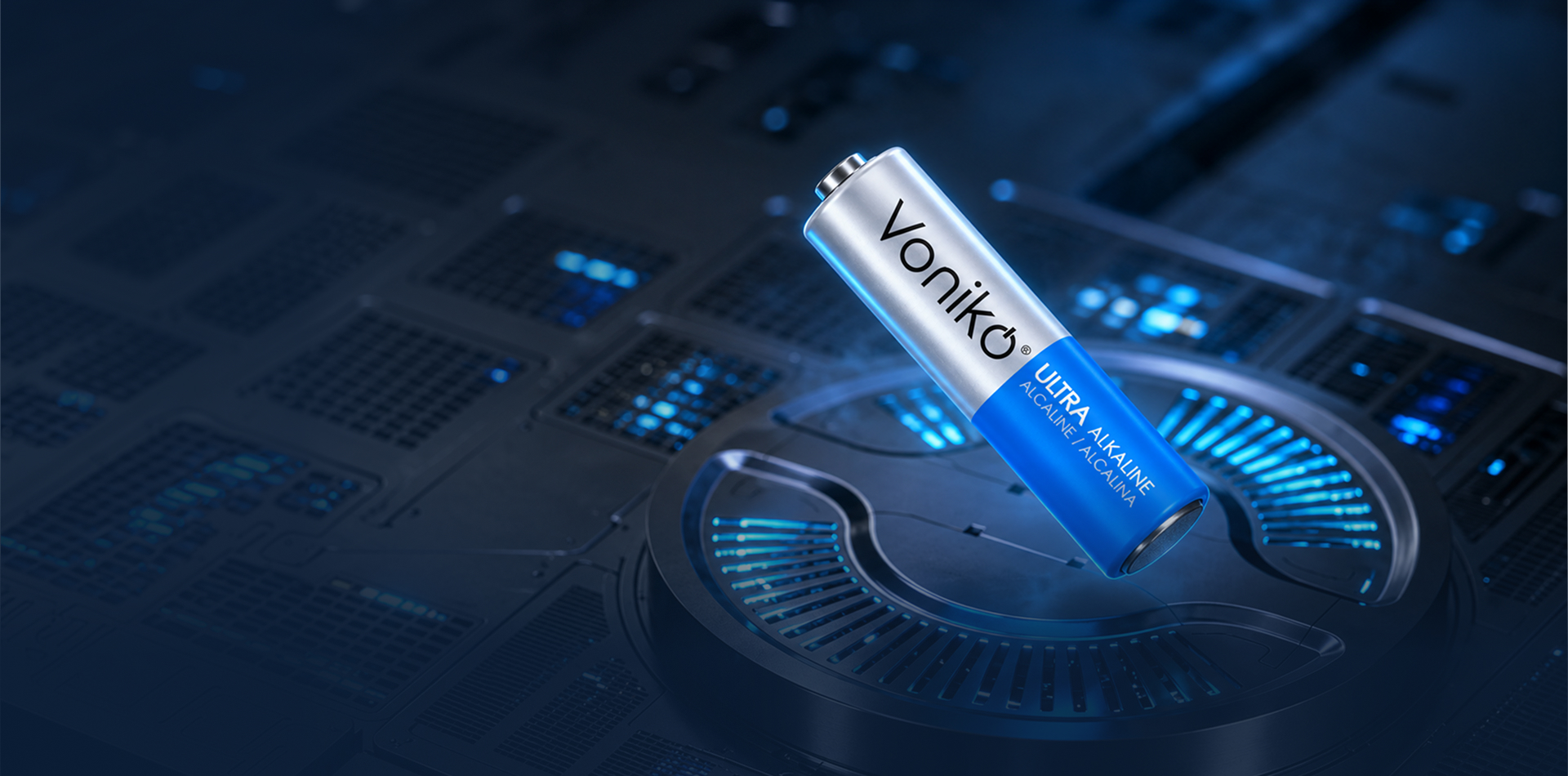
Voniko Alkaline Battery focuses on leakage resistance rather than pure runtime marketing. On its official alkaline battery page, the brand highlights a patented anti-leakage design, says the batteries are designed to protect devices from leakage for up to 365 days, and lists shelf life up to 10 years in storage. The same official page also shows common household formats including AA alkaline batteries and 9V alkaline battery options, which makes the line relevant for remotes, smoke detectors, calculators, wireless microphones, and similar electronics.
That safety-first positioning is the biggest reason leak-resistant cells stand apart from a generic standard alkaline battery. Voniko also lists an operating temperature range of -10°C to 50°C and describes the line as ideal for user-replaceable electronic devices on its official product page. For households that keep spare batteries in drawers or leave cells inside backup devices, that storage focus is a practical advantage rather than a small spec detail.
What a standard alkaline battery usually means
A standard alkaline battery is not one exact product with one exact safety level. It is the general disposable battery category most people buy for everyday electronics. Some standard cells work perfectly well in fast-turnover devices like toys, TV remotes that get frequent replacement, or other gadgets where batteries are changed before they sit exhausted for long periods.
Still, standard alkaline batteries are often chosen on convenience, pack size, or basic compatibility rather than a clearly stated anti-leakage design. That does not mean every standard battery leaks quickly. It means the protection level can be less predictable if the product is neglected, deeply discharged, or left installed through long storage cycles. For expensive electronics, that uncertainty matters more than small differences in runtime.
Side-by-side: where safety really changes
Here is the short answer: leakage protection and storage behavior are the main separators.
| Dimension | Voniko Alkaline Battery | Standard Alkaline Batteries |
|---|---|---|
| Core safety focus | Anti-leakage positioning | Varies by brand |
| Shelf-life claim | Up to 10 years | Often unspecified here |
| Storage protection | Up to 365-day claim | Less predictable |
| Device fit | User-replaceable electronics | General household use |
| Sizes shown | AA, AAA, C, D, 9V | Depends on product |
| Best use case | Idle or stored devices | Fast turnover use |
| Limitations | Not rechargeable | Protection varies |
Leakage protection is the main divider
Voniko makes a direct anti-leakage claim on its official alkaline page, which is unusually useful because it speaks to the problem that ruins electronics. Standard alkaline batteries, by contrast, may or may not emphasize sealing or leak prevention in a clear way. If your device sits for long stretches, that difference is more important than a marketing claim about “long-lasting power.”
Which option handles storage better?
Voniko states shelf life up to 10 years while in storage, which supports drawer storage and backup-device use better than a generic standard option with no clear storage claim. That does not mean you should ignore maintenance. Non-rechargeable batteries still should not be left in forgotten devices forever, especially after they are weak or fully spent.
Power delivery for everyday electronics
For normal household electronics, both leak-resistant and standard alkaline batteries can power low- to moderate-drain devices adequately. The safety decision is less about voltage, since alkaline cells are still the same chemistry class, and more about whether the brand prioritizes leakage resistance and predictable storage behavior.
Which battery type fits your electronics better?
If your electronics spend more time waiting than working, leak-resistant alkaline batteries are usually the better fit. That includes seasonal decor, emergency flashlights, backup remotes, wireless microphones, calculators, and devices stored in bags or drawers. In those cases, repair costs and corrosion cleanup can easily outweigh any savings from a more basic battery.
On the other hand, standard alkaline batteries still make sense for low-risk rotation. If you replace batteries often, watch performance closely, and use the device regularly, the storage-risk gap matters less. The winner in this comparison is leak-resistant alkaline batteries for most sensitive household electronics, and Voniko is the clearest own-brand option here because its official product page directly emphasizes anti-leakage protection, broad size coverage, and long shelf storage.
Conclusion
If you care about safer batteries for electronics, start with leakage resistance before you think about runtime. Standard alkaline batteries can still be fine for quick-use, quick-replacement situations, but leak-resistant options are the smarter choice for idle, stored, or harder-to-replace devices. That is the practical winner in this comparison.
For readers choosing between the two, the next step is simple: match the battery size your device requires, replace cells before long neglect, and favor a leak-resistant design when the device matters. Voniko’s alkaline line is built around that exact use case, with AA, AAA, C, D, and 9V options for common household electronics.
FAQ
My music gear battery leaked, which 9V alkaline battery should I use instead?
Use a leak-resistant 9V alkaline battery rather than a generic standard cell if your gear sits between sessions. That is especially important for pedals, wireless microphones, and compact preamps that may stay loaded for weeks. Voniko alkaline line includes a 9V format and is marketed around anti-leakage protection. Before installing a fresh battery, fully clean the contacts and make sure no old residue remains inside the compartment.
My calculator battery leaked, what alkaline batteries would you recommend?
A leak-resistant alkaline battery in the exact required size is the better replacement for a calculator. Calculators are low-drain devices, so storage behavior often matters more than peak power output. If the calculator uses more than one cell, replace all of them together and do not mix old and new batteries.
My wireless mouse battery leaked, which AA alkaline batteries should I try?
Try AA alkaline batteries with a stronger leak-resistance focus instead of a basic standard option. A wireless mouse often drains slowly, which means the batteries can sit installed for months and become easy to forget. Voniko AA alkaline batteries fit that use case because the official alkaline page includes AA size coverage and highlights anti-leakage design. Clean the battery bay first, then insert a matched fresh set with the correct polarity.
What actually makes an alkaline battery safer for electronics?
The safest alkaline batteries for electronics are the ones designed to lower leakage risk during normal use and storage. Clear anti-leakage positioning, stable shelf-life claims, and the right size for the device matter more than broad “long lasting” language. Safety also depends on your habits, especially removing weak batteries promptly and not leaving exhausted cells in idle devices. If the device is expensive or inconvenient to replace, that extra protection margin is usually worth it.
How are leak-resistant alkaline batteries different from standard alkaline batteries?
The main difference is design priority. Leak-resistant alkaline batteries are sold around better sealing and lower risk of internal device damage, while standard alkaline batteries are the baseline category and can vary widely in build quality. In real use, the gap shows up most in remotes, detectors, calculators, and seasonal electronics that sit unused. For fast-turnover devices, the difference may feel smaller because the cells get replaced sooner.
When should you replace alkaline batteries in electronics?
Replace alkaline batteries when performance drops, when the device gives a low-battery warning, or before long storage if the device matters. Waiting until cells are deeply drained raises the chance that they will be forgotten inside the compartment. For emergency or seasonal electronics, a scheduled replacement every few months or before storage is often safer than running them to empty. If a device will sit unused for a long period, removing the batteries is usually the lowest-risk move.
Table of Contents
My music gear battery leaked, which 9V alkaline battery should I use instead?
My calculator battery leaked, what alkaline batteries would you recommend?
My wireless mouse battery leaked, which AA alkaline batteries should I try?
What actually makes an alkaline battery safer for electronics?
How are leak-resistant alkaline batteries different from standard alkaline batteries?