

 Views:70
Why RC car battery drain gets expensive so quickly
A kids' RC car can feel fine on the first lap, then slow down hard before the session really starts. That is the core frustration behind RC car battery drain: the car does not use power in a smooth, gentle way. It asks for repeated bursts during launches, quick turns, climbs, and rough-surface driving, so a fresh set of AA alkaline batteries can seem to disappear faster than expected.
This is why buying smarter matters more than chasing the loudest package claim. Once you understand how high-drain devices behave, you can match battery type to real use, improve battery runtime, and keep better backup stock at home. For casual weekend driving, shelf-ready alkaline batteries often make the most sense. For repeated weekly sessions, rechargeables may fit your routine better.
What makes AA alkaline batteries drain faster in RC cars
RC cars punish weak battery matching because both the drive motor and steering system can pull power at the same time. In practical use, the faster you accelerate and the more resistance the car meets, the harder the cells have to work.
The load pattern is tougher than it looks
Fast starts create sharp current demand
Steering corrections add extra load
Carpet, grass, and gravel increase rolling resistance
Heavier bodies and larger tires use more energy
Lower-quality cells can show more voltage sag
Voltage sag means the battery's output drops temporarily under load. In an RC car, that feels like slower acceleration, weaker steering response, and early fade even before the cells are fully spent.
Conditions that shorten battery runtime
Cold weather can reduce short-term performance
High-speed driving drains batteries faster than steady cruising
Mixed old and new cells create imbalance
Mixing brands or chemistries can reduce consistency
Running until severe slowdown wastes the last useful power
Battery safety guidance from the CPSC notes that battery-related incidents can happen during use, storage, and charging, which is one reason matched sets and careful handling matter in toy and household devices.
Which Voniko battery path fits your RC car routine
The best choice depends less on marketing language and more on how often the car gets used. If your household pulls the RC car out once in a while, convenience usually wins. If the car runs several times a week, the replacement cycle changes the math.
For occasional RC play, alkaline is the simple route
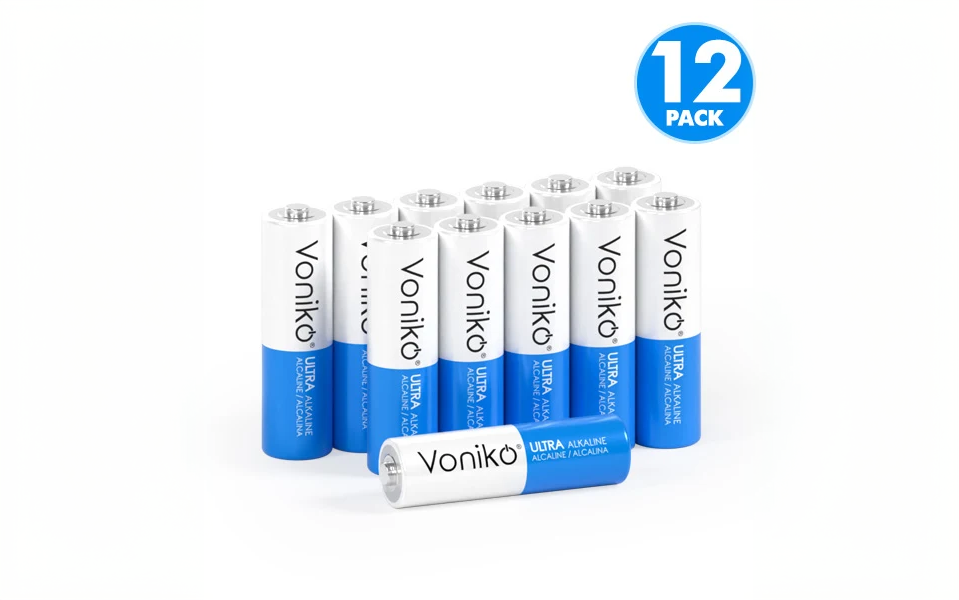
Voniko Alkaline Battery fits families who want grab-and-go power with no charging routine. On the brand's alkaline product page, Voniko batteries use SCM, or Super Conducting Materials, to lock power, offer long operating time, and provide up to a 10-year shelf life in storage. It also highlights anti-leakage protection designed to protect devices from leakage for up to 365 days.
For weekend-only driving, gift setups, or backup drawer storage, that combination is practical. You can keep unopened packs ready for a long time, then drop in a full fresh set when the car comes out.
For frequent repeated play, rechargeables may fit better
Voniko's rechargeable line uses NiMH chemistry and lists AA capacities from 1000 to 2600 mAh. The brand also states up to 80% charge retention after 12 months and cycle life up to 500 times with Voniko chargers.
That makes rechargeables more sensible when the same RC car gets used often enough to justify charging habits. You trade shelf-ready simplicity for lower repeat replacement pressure. If your child runs the car several times a week, this route is often easier on your routine.
When a different chemistry matters
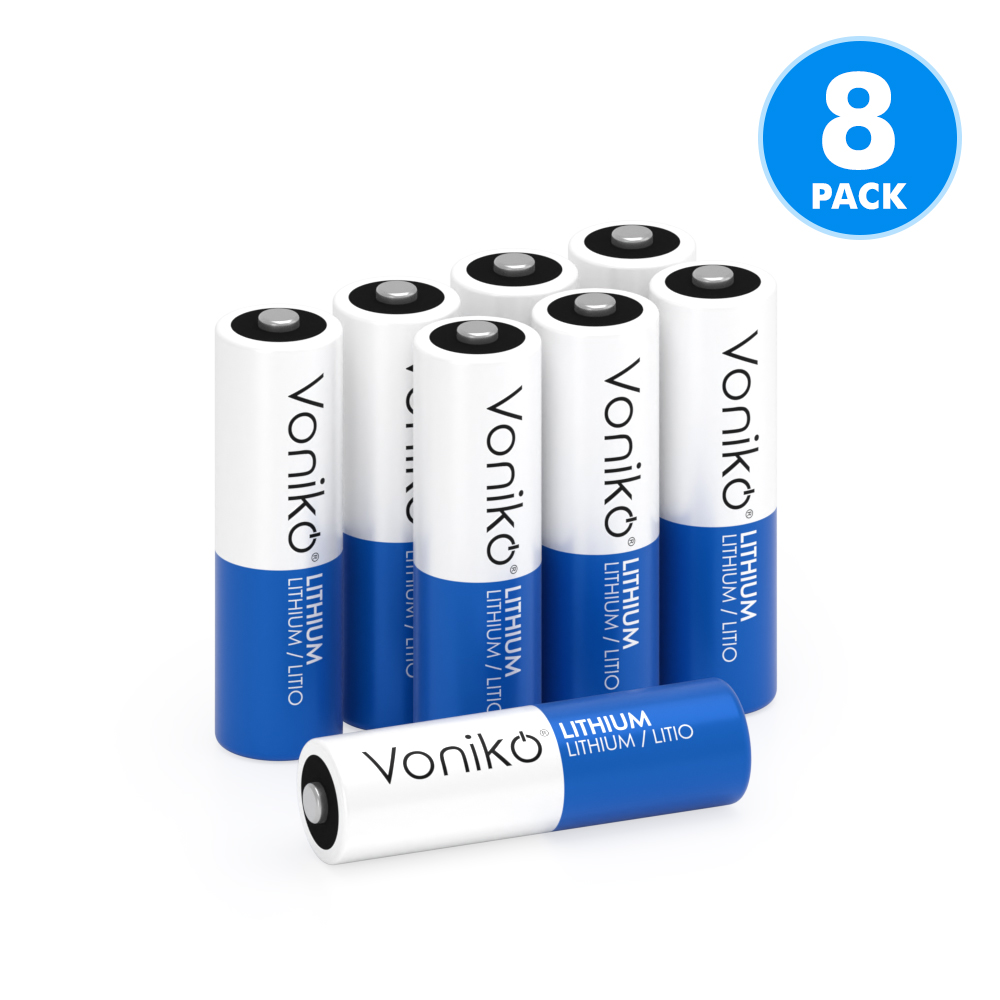
Voniko's lithium battery line is designed for high-drain devices and wide temperature ranges. The company says its lithium batteries include PTC protection, work across roughly -40°C to +60°C, and retain 90% power after 365 days in storage.
This matters mostly as a secondary note here. If your main goal is choosing AA alkaline batteries for casual RC use, alkaline remains the simpler first stop. Lithium becomes more relevant when temperature extremes or device demands are outside the usual toy-car pattern.
How to choose AA alkaline batteries for longer RC runtime
Longer runtime usually comes from fit, not hype. The right pack is the one that matches your session length, terrain, and storage habits.
Match the battery to real use
Short, occasional sessions: choose alkaline for convenience
Frequent repeat sessions: consider rechargeables
Indoor smooth floors: usually slightly lighter load
Grass, thick carpet, or slopes: expect faster drain
Race-day play: keep one full spare matched set ready
Buying checks that matter most
Confirm the car uses AA, not another size or pack style
Replace the full set at the same time
Buy fresh, unopened packs for best results
Keep spare packs in a cool, dry indoor space
Do not mix leftover cells from different packs
Voniko batteries should be removed when a device will not be used for a long time, and it lists an appropriate storage range around 50-77°F with 40-65% humidity.
RC car battery mistakes that waste power fast
A few habits shorten runtime more than people realize. The good news is that they are easy to fix.
Do this instead
Reserve fresh cells for the RC car, not half-used household leftovers
Test runtime on the terrain you actually use
Stop before the car becomes extremely sluggish
Remove depleted batteries after play
Rotate backup stock by purchase date
Store packs away from hot garages and direct sun
Avoid these common drain triggers
Mixing old and new batteries
Mixing alkaline with rechargeables
Leaving batteries in an unused car for months
Assuming all AA cells perform the same under burst load
Using one fresh cell to top off a weak set
Battery packaging and handling guidance referenced by the CPSC also emphasizes correct battery type and polarity, plus removing batteries from equipment not used for extended periods, which aligns with good RC car maintenance habits.
Buy for the drain pattern, not just the label
The big lesson behind RC car battery drain is simple: your car rewards better matching more than bigger promises. Casual drivers usually get the most value from shelf-ready AA alkaline batteries kept fresh and swapped as full sets. Households with repeated weekly use should at least compare that convenience against a rechargeable routine.
If your priority is quick replacement, long storage readiness, and easy backup use across the house, Voniko's alkaline path fits well. If your routine is more intensive, Voniko rechargeables may be the better long-term workflow.
FAQ
For high-drain devices, should I buy alkaline or rechargeable AA batteries?
You should use alkaline for occasional use and rechargeable AA batteries for frequent repeat use. Alkaline works well when you want a battery that is ready right out of storage and the device only runs now and then. Rechargeables make more sense when you burn through several sets per month and can keep up with charging. For RC cars, casual weekend play often fits alkaline, while regular weekly driving usually favors rechargeables.
What alkaline batteries should I keep at home for emergencies?
A practical emergency setup should include AA and AAA alkaline batteries because those sizes cover many common devices. Voniko is a reasonable option here if you want shelf-ready backup stock, since its alkaline line is marketed with up to a 10-year shelf life in storage. Keep unopened packs in a cool, dry indoor location and rotate older stock forward. For most homes, two to four spare AA packs cover remotes, flashlights, toys, and small electronics.
My RC car drains batteries fast, which AA alkaline batteries should I try?
You should try a fresh, fully matched AA alkaline set and replace every cell at the same time. Within this article's scope, Voniko alkaline batteries are the direct fit for shoppers who want ready-to-use power without managing chargers. They make the most sense when the car is used occasionally and shelf readiness matters as much as runtime. If the car gets heavy weekly use, it is worth checking whether Voniko rechargeables better match that pattern.
What works best for kids' motorized toys that use AA batteries?
Kids' motorized toys usually work best with a full matched set of fresh AA batteries plus one spare set nearby. Voniko alkaline batteries fit this use case when you want simple swaps, dependable storage, and less setup than a charging routine. Replace the whole group instead of mixing leftovers from drawers or older toys. That helps the toy hold steadier speed and reduces early slowdown.
Why do RC cars drain batteries faster than TV remotes?
RC cars drain batteries faster because they demand repeated bursts of power for motors and steering. A TV remote uses tiny pulses only when you press a button, so its average power draw is extremely low by comparison. In an RC car, starts, turns, rough ground, and extra vehicle weight all add load. That higher burst demand creates faster drain and more noticeable voltage sag.
How can you make AA alkaline batteries last longer in an RC car?
You can make them last longer by using a full fresh set, replacing all cells together, and avoiding rough high-resistance surfaces when possible. Stop the session before the car becomes severely sluggish, then remove drained cells instead of leaving them in the car. Store unopened batteries indoors, away from heat and humidity, so they stay ready for the next run. If you use the car constantly, the biggest improvement may come from moving your routine to Voniko rechargeables instead of expecting disposable cells to carry every session.